Smart Interior Design Trends Transforming Modern Living | Omni Realty
Interior design is evolving beyond the selection of furniture, colours and decorative accessories. Today's spaces are increasingly shaped by technology, functionality and the changing ways people live and work. From intelligent lighting systems to digital design visualization, technology is transforming how interiors are planned, experienced and maintained.
As homeowners and businesses seek environments that combine comfort, efficiency and visual appeal, smart interior design is becoming an important consideration in modern property development. The objective is no longer simply to create attractive spaces. It is to develop environments that respond to people's needs while making everyday activities easier and more enjoyable.
For interior design professionals, this shift presents exciting opportunities to combine creativity with technical expertise and innovative planning.
Smart Technology Is Changing the Way We Use Our Spaces
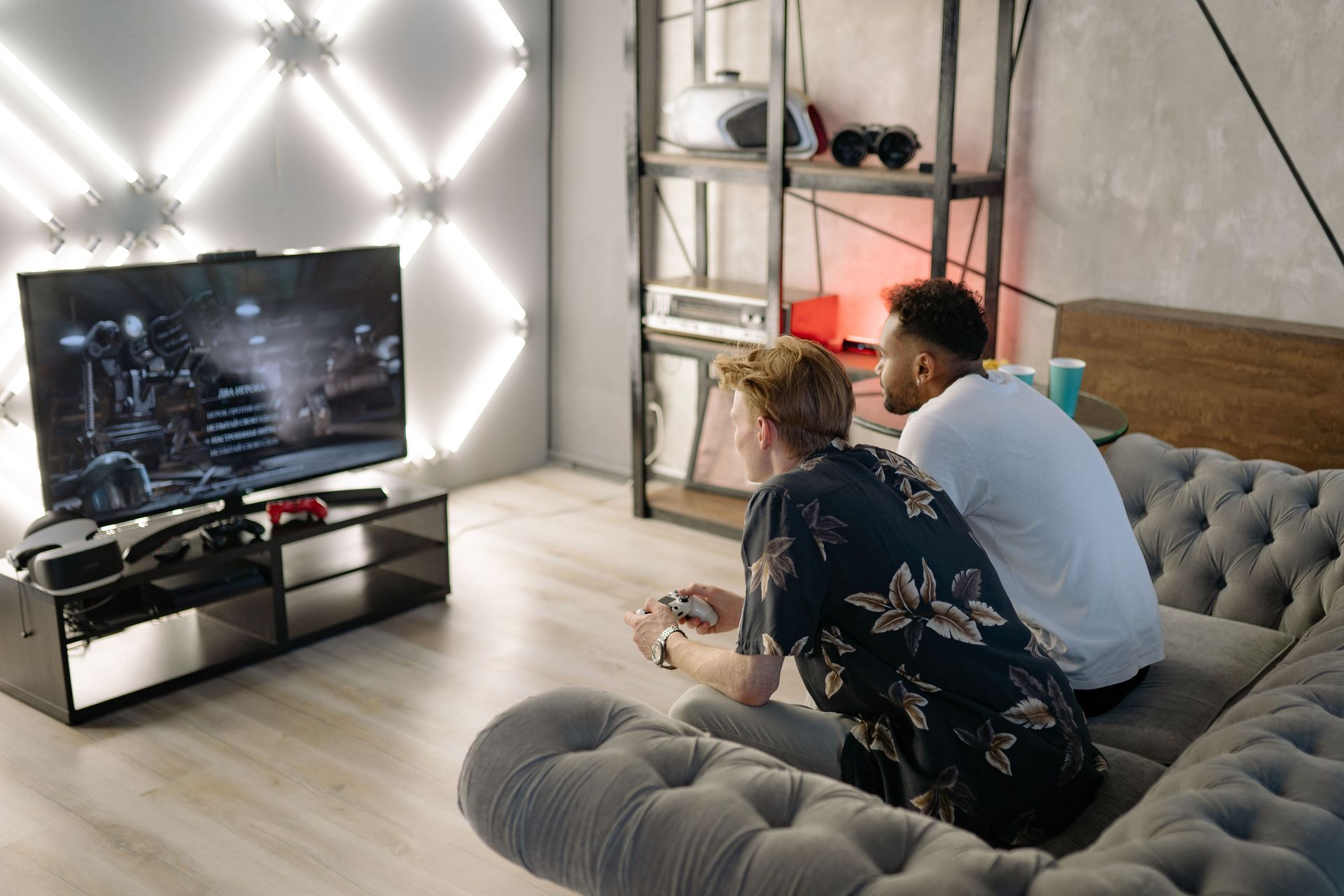
Smart home technology has become an increasingly important part of contemporary residential design. Lighting, heating, security and entertainment systems can now be integrated into a property's overall design rather than added as separate features.
Intelligent lighting systems, for example, allow occupants to adjust brightness and colour temperature according to different activities. A brighter setting may be appropriate for reading or working, while softer lighting can create a more relaxed atmosphere in the evening.
Similarly, automated window coverings, climate control and integrated entertainment systems can improve convenience while reducing the need for unnecessary manual adjustments.
However, successful integration requires proper planning. Electrical points, wiring routes, control panels and equipment locations should be considered during the design stage. Addressing these requirements early can help prevent expensive modifications later.
3D Visualization Is Transforming Design Decisions
One of the most valuable developments in modern interior design is the use of three-dimensional visualization.
Traditionally, clients often had to interpret floor plans, technical drawings and material samples to imagine how a completed room would look. While these tools remain important, 3D visualization offers a more detailed understanding of the proposed space.
Realistic digital representations can demonstrate furniture placement, colour combinations, lighting arrangements, materials and spatial relationships before implementation begins.
This provides several advantages.
First, clients can make more informed decisions. They can assess whether furniture proportions are suitable, whether a colour scheme works and whether the proposed layout supports their requirements.
Second, potential design challenges can be identified earlier. A poorly positioned cabinet, unsuitable furniture arrangement or inadequate circulation space may be easier to correct digitally than during construction.
Third, 3D designs improve communication between designers, clients, contractors and other project stakeholders.
At Omni Realty, visual interior design and 3D design form part of a broader approach to translating ideas into clearly planned environments.
Functional Design Is Becoming Just as Important as Appearance
A beautifully decorated room may still be unsuccessful if it does not function properly.
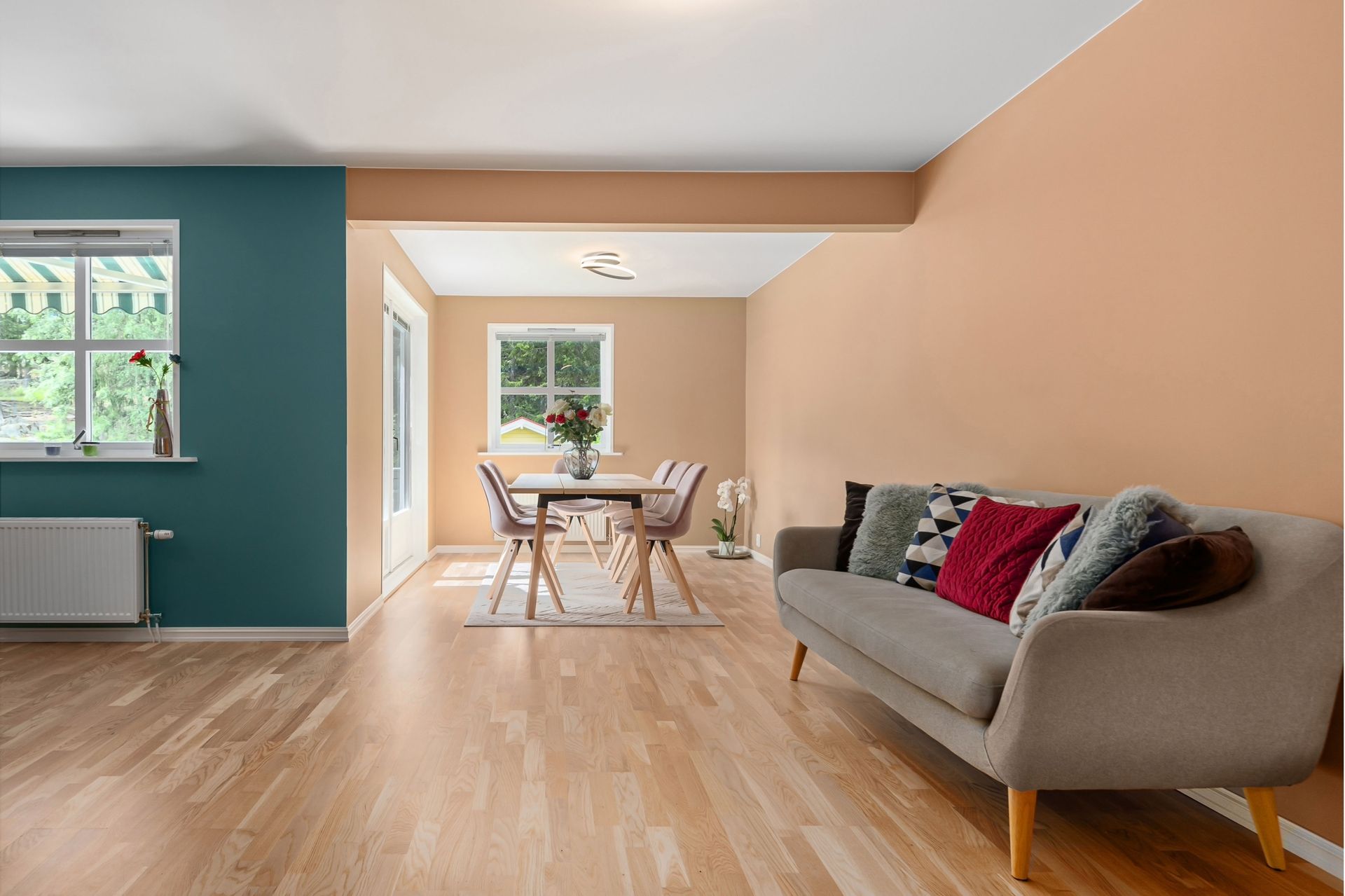
Modern interior design increasingly recognises the importance of movement, storage, lighting, accessibility and the relationship between different areas of a property.
In residential environments, this may involve creating flexible living areas, practical storage solutions and comfortable workspaces. In commercial settings, it could mean improving employee movement, creating collaborative spaces or designing customer-friendly environments.
Good planning begins with understanding how a space will be used.
An office, for example, may require different lighting and acoustic considerations from a residential living room. A small apartment may benefit from multifunctional furniture, while a larger commercial property may require carefully defined zones for different activities.
The best design decisions are those that respond to the people who will actually use the space.
Sustainability and Responsible Material Selection
Sustainability is also influencing contemporary interior design.
Property owners are increasingly considering durable materials, energy-efficient lighting, natural ventilation and products that require less frequent replacement.
Rather than following trends that quickly become outdated, investing in timeless finishes and quality materials can help create interiors that remain relevant for longer.
Natural textures, responsibly sourced materials and carefully selected finishes can also introduce warmth and character without compromising functionality.
Sustainable design does not necessarily mean spending more. It often begins with making informed decisions about materials, maintenance requirements and long-term performance.
Why Professional Planning Matters
The increasing complexity of modern interiors makes professional planning particularly valuable.
Interior design involves more than choosing attractive finishes. It requires consideration of measurements, technical drawings, material specifications, project costs and implementation requirements.
Technical drawings help communicate design intentions accurately. Quantity surveying supports cost planning, while project support helps maintain coordination between the different stages of a development.
Combining these services can help reduce misunderstandings, improve decision-making and create a more structured project experience.
Designing for the Future
The future of interior design will continue to bring together technology, creativity and practical thinking. However, technology should always serve a purpose. An intelligent lighting system is valuable when it improves the experience of a space, not simply because it is technologically advanced.
Ultimately, successful interiors are those that reflect individual preferences while supporting everyday activities.
Whether planning a residential renovation, a new commercial environment or an entirely new interior concept, the starting point should always be a clear understanding of the client's vision.
At Omni Realty, we believe that great design begins with thoughtful planning. Through visual interior design, technical drawings, 3D visualization, project support and quantity surveying, we help transform ideas into functional, well-considered spaces.
Visit www.omnirealty.org to explore our interior design and project support services and begin planning your next project.