Designing Multifunctional Spaces for Modern Living
Today's homes are expected to do more than ever before. They serve as workplaces, relaxation areas, entertainment spaces, and family hubs. As lifestyles continue to evolve, multifunctional design has become one of the most influential trends in interior design.
Creating multifunctional spaces begins with understanding how occupants use their homes throughout the day. A dining area may double as a workspace, while a guest room may function as a home office for most of the year.
Furniture selection plays a key role. Modular seating, expandable dining tables, storage-integrated furniture, and adaptable layouts help maximise functionality without sacrificing style.
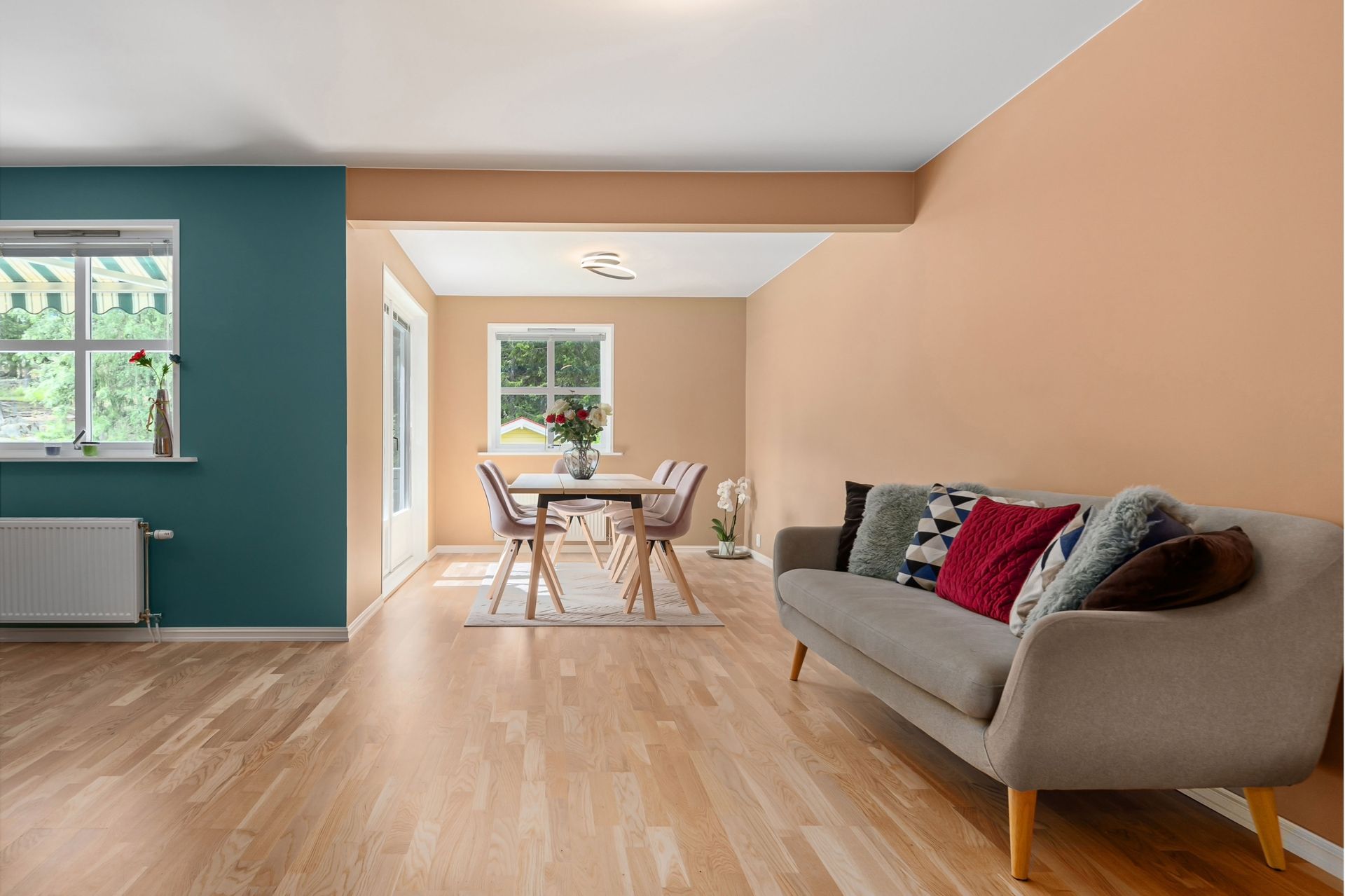
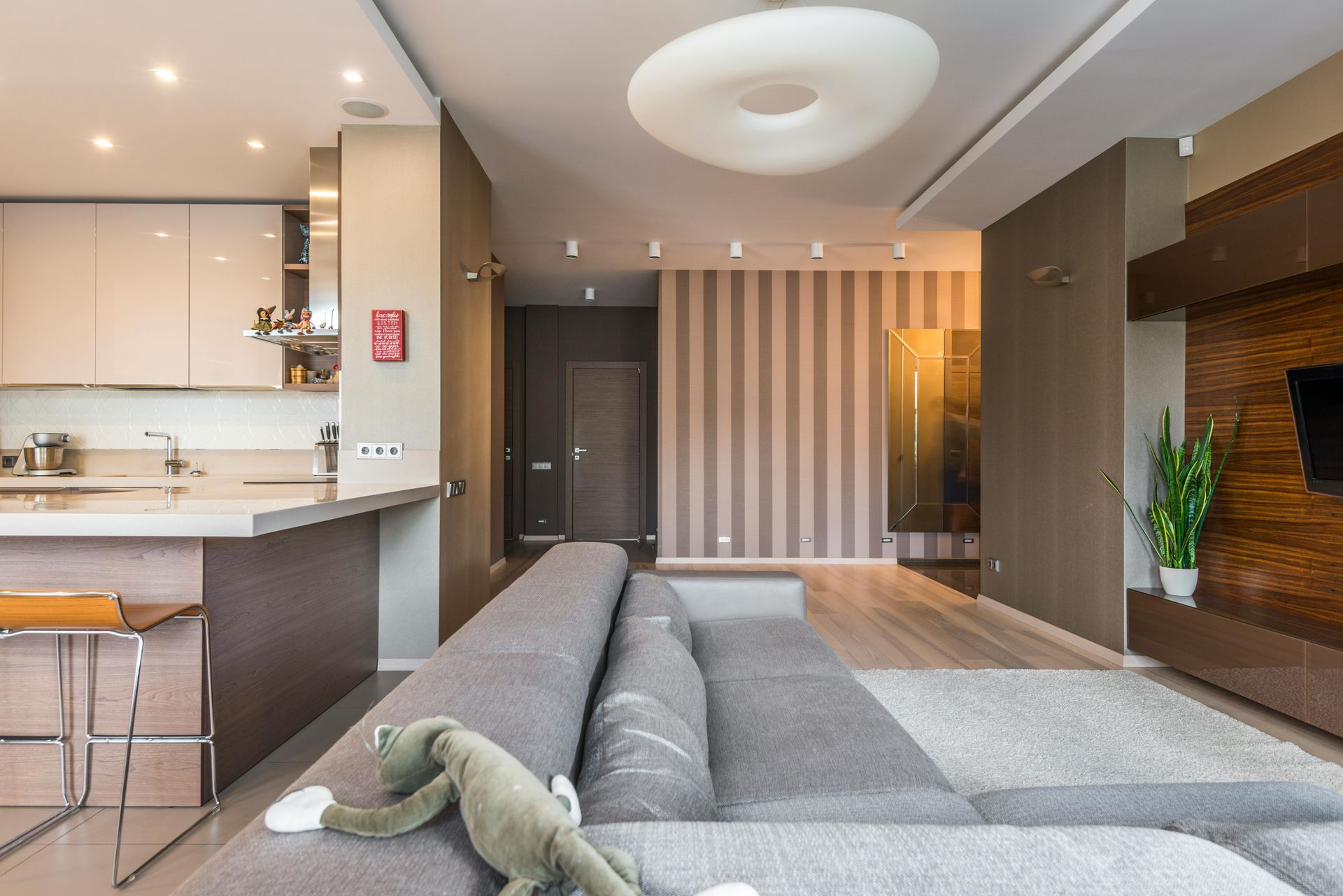
Thoughtful zoning is another important strategy. Designers use furniture placement, lighting, area rugs, and architectural elements to define separate zones while maintaining an open and cohesive appearance.
Storage solutions are particularly important in multifunctional environments. Built-in cabinetry, hidden storage compartments, and customised shelving systems help minimise clutter and improve organisation.
Technology integration is also influencing design choices. Smart lighting, automated systems, and flexible connectivity options allow spaces to adapt to changing needs throughout the day.
The goal of multifunctional design is to create interiors that remain beautiful, comfortable, and practical regardless of how they are used. As modern lifestyles continue to change, flexible and adaptable spaces will remain at the forefront of interior design innovation.