2026 Interior Design Shift: Spaces That Adapt to Real Life
Interior design has moved beyond trends that focus purely on aesthetics. The emphasis is now on creating spaces that adapt to real-life needs while maintaining a strong visual identity.
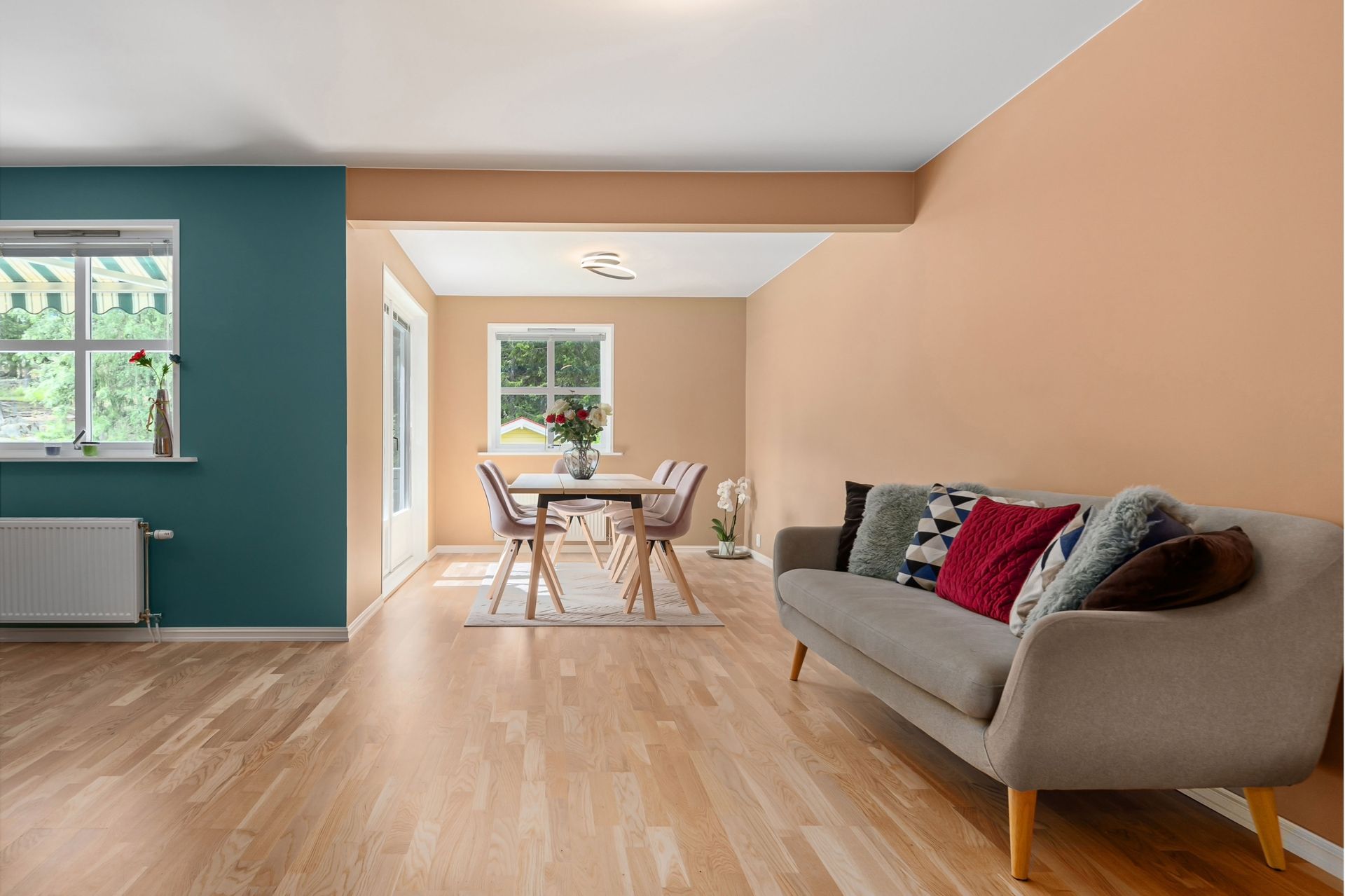
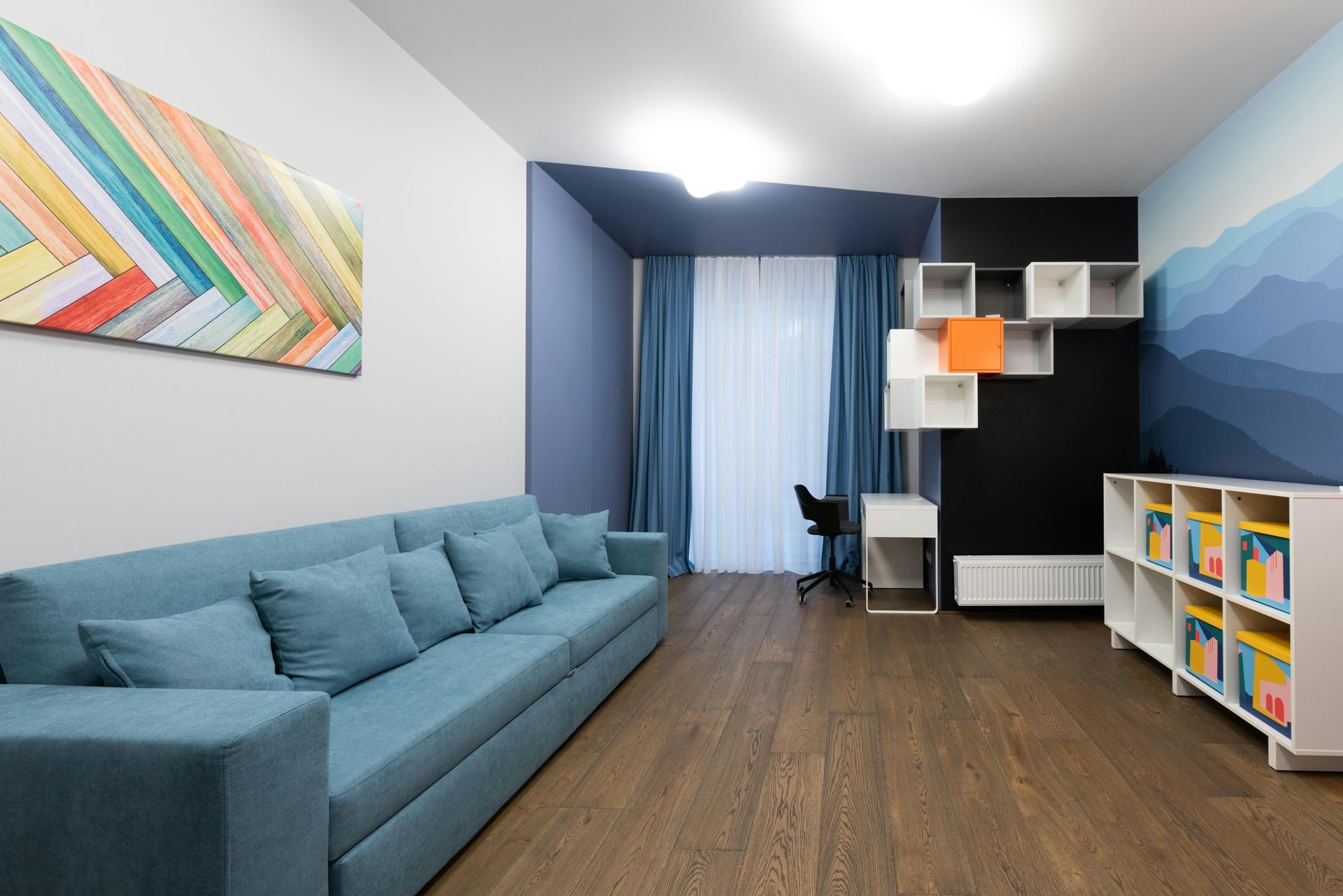
One of the most noticeable shifts is the rise of functional design with flexibility. Homes and commercial spaces are no longer designed for a single purpose. Living areas double as workspaces, and layouts are being planned to accommodate changing routines. This reflects a growing demand for interiors that evolve with the people using them.
Comfort has also taken centre stage. Clients are prioritising materials, layouts, and finishes that promote relaxation and ease of use. This includes softer textures, natural tones, and designs that reduce visual clutter while maintaining a modern feel.
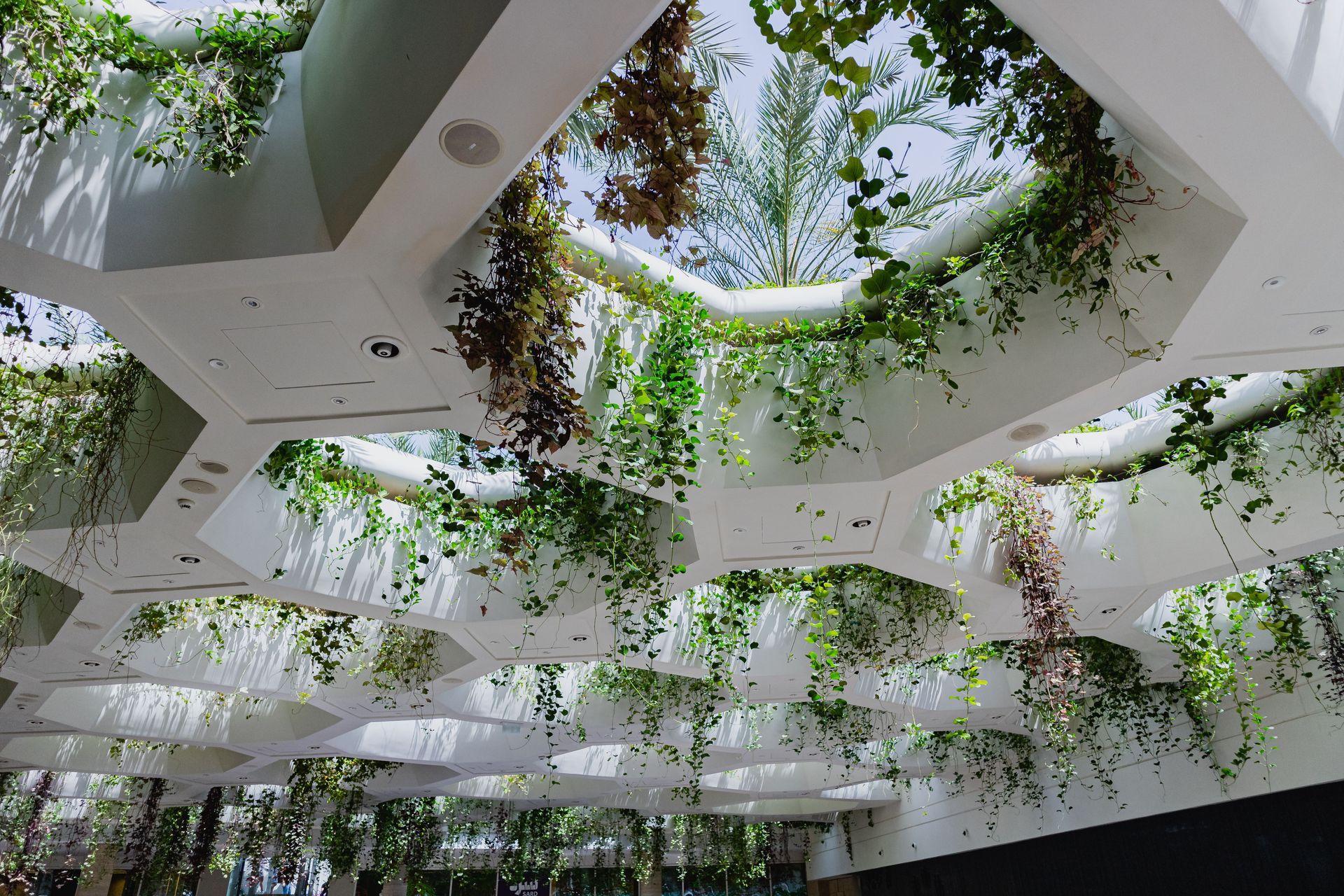
Sustainability remains a key consideration, but it is now approached more practically. Instead of focusing solely on eco-friendly labels, clients are looking for durable materials that last longer and reduce the need for frequent replacements. Longevity has become just as important as environmental impact.
Another defining feature of interior design at this point in the year is the integration of subtle technology. Smart systems are being incorporated in ways that enhance convenience without overwhelming the space. Lighting, climate control, and security are increasingly seamless and user-friendly.
As we move towards the second half of the year, design decisions are becoming more intentional. Clients are investing in spaces that are not only visually appealing but also practical, adaptable, and built for long-term use.
Interior design in 2026 is not about following trends. It is about creating environments that truly support the way people live and work.